According to the National Wildlife Federation, anyone Can Be Part of the Native Plant Movement

Over 50 years ago, they launched programs that have inspired what has become one of the largest national (and increasingly international) native plant movements. Since 1973, their goal has been to inspire people to plant natives and influence the way they maintain their yards, gardens, and community green spaces to benefit wildlife and people.

Today, an estimated seven million people have participated. By planting natives, they’ve supported local biodiversity that echoes what Indigenous people, conservationists, and many local community leaders have known for generations—that we must honor the interdependent relationship between plants, wildlife, and people…

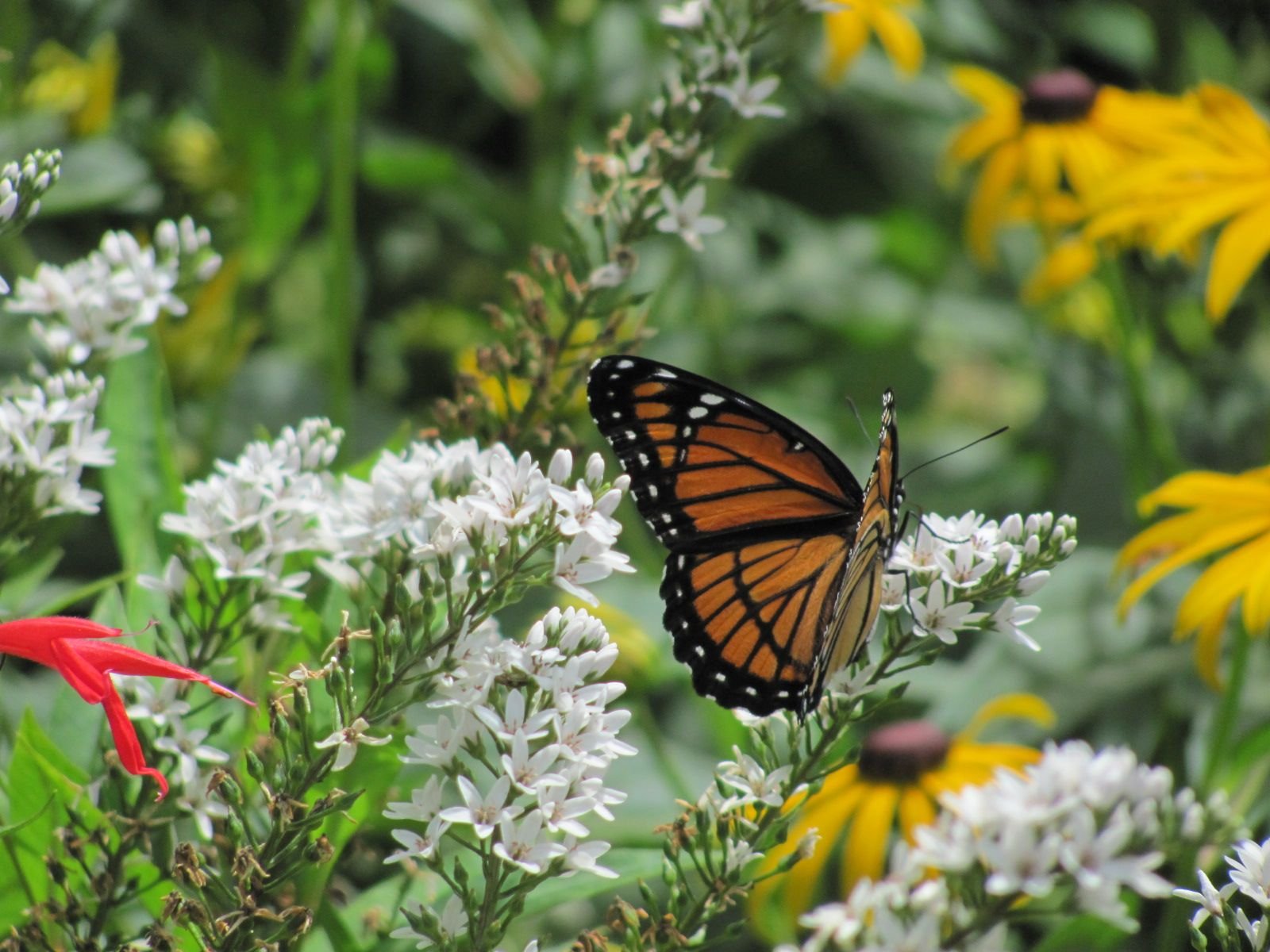
Suddenly there’s a surge in milkweed purchases. Why? Because nature lovers know that planting milkweed in your garden will help to increase the number of monarch butterflies in your area. The plants you choose for your garden (native plants to your region) make a huge difference in supporting wildlife and the environment.

As many of you know, monarch populations have been sadly decreasing due to housing development and agriculture, thus eliminating milkweed, the one plant that used to be abundant across America, leading to a huge decline of Danaus plexippus (their scientific name). In fact, monarch population numbers have been down by over 90% in recent years! However, there is good news. Numbers have climbed by nearly 50% in 2025 according to the National Wildlife Federation. Still, we have a long way to go.

Is a superb magazine published by Cornell Lab and can be yours with a small $35 yearly donation. We’ve been receiving copies for the last several years, and it quickly became my go-to source for birding.

The magazine and online site offer a great array of images. Macaulay Library’s Best Bird Photos 2025 – featuring birders around the world who have contributed more than 67 million photos to the Macaulay Library archive.

If you listen to the above video, then begin to focus on each line of text for several seconds, you can easily convince yourself that they are indeed saying what’s printed on the screen. It appears that our ears, can be easily influenced. But, what about our eyes…

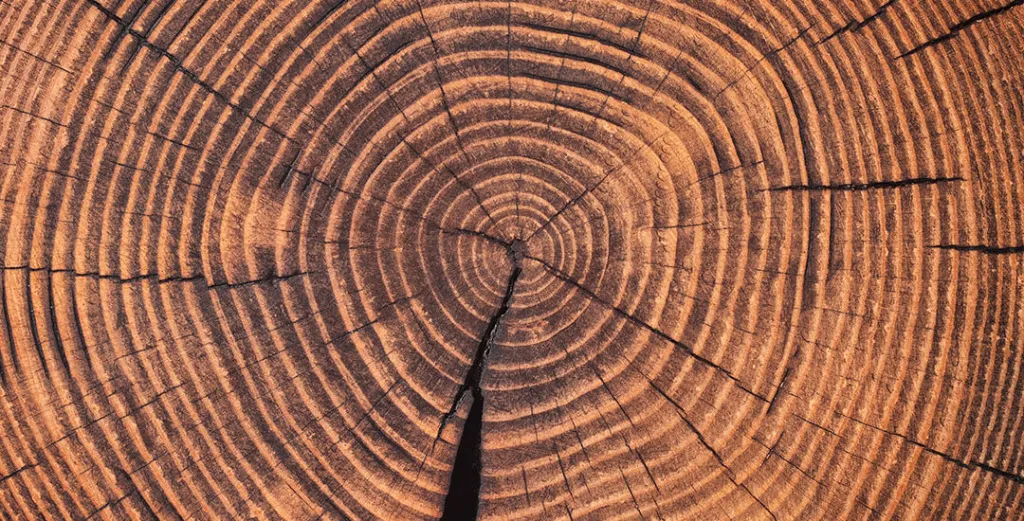
14,300 years ago, a pine forest in France bore witness to an event that has never been experienced in modern times: a bombardment of solar particles so fierce that it would likely knock out all communications satellites and fry power grids across the globe if it were to happen today. While we often point to the Carrington Event of 1859, (that knocked out all telegraph communications around the world), as a worst-case scenario, for solar storms, the 774-75 AD storm was at least 10 times stronger.

Tonight, I watched with awe and admiration, as Harrison Ford narrated an impassioned five-minute video on behalf of the half-earth project. In this call-to-action presentation, Harrison urges us to pay attention to the glorious tapestry of life – our living Earth.